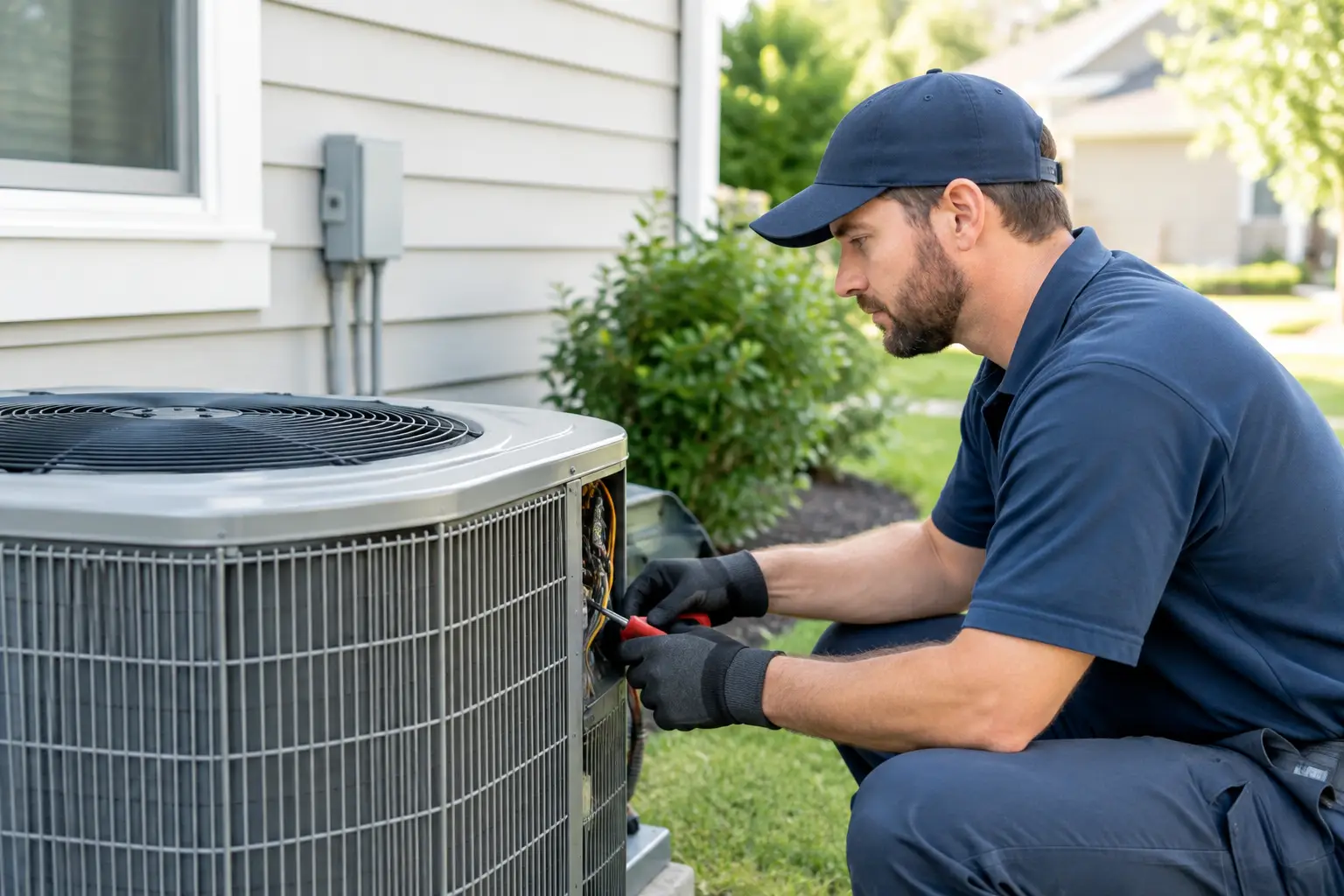
A refrigerant name on an air-conditioner label may not seem like a homeowner concern until a repair estimate or replacement quote brings it up. But refrigerant regulation changes are already affecting the types of new cooling systems available, how technicians approach certain repairs, and what homeowners should consider when planning ahead.
The good news is simple: if your existing air conditioner or heat pump uses R-410A, you are not required to replace it just because newer equipment uses a different refrigerant. Your system can still be maintained and repaired when it makes sense. The practical change is that the HVAC industry is moving toward lower-impact refrigerants in newly manufactured equipment, so replacement options look different than they did only a few years ago.
Why refrigerant regulations are changing
Most modern central air conditioners and heat pumps installed over the last two decades use R-410A, a hydrofluorocarbon, or HFC. It does not harm the ozone layer like older refrigerants such as R-22, but it does have a high global warming potential if released into the atmosphere.
Federal rules under the American Innovation and Manufacturing Act are reducing the production and use of higher-global-warming-potential HFC refrigerants over time. The goal is to lower emissions while moving manufacturers toward equipment designed for newer refrigerants with less climate impact.
For homeowners, this is less about memorizing regulations and more about knowing what the transition means at the kitchen table. A technician should be able to explain whether a repair is a sensible investment, whether your current refrigerant is available, and which replacement equipment fits your home and budget.
What refrigerant regulation changes mean for new AC systems
New residential air conditioners and heat pumps are increasingly being designed around lower-global-warming-potential refrigerants. Depending on the manufacturer and equipment type, you may hear refrigerants such as R-454B or R-32 discussed during a replacement consultation.
These refrigerants are not universal drop-in substitutes for R-410A. They are used in equipment built specifically for them. The outdoor unit, indoor coil, metering device, refrigerant lines, controls, and safety features must all be matched correctly. Mixing equipment or putting a new refrigerant into an older system is not a safe or approved shortcut.
Many new systems using these refrigerants are classified as A2L, meaning they have lower toxicity and mild flammability. That wording can sound alarming, but the equipment is engineered with this in mind. Proper installation practices, approved components, leak detection where required, and manufacturer instructions all matter. A qualified residential HVAC technician will handle those details and explain what is changing without turning it into a scare tactic.
Availability can also vary by manufacturer and model. One homeowner may find a preferred system is readily available, while another may need to compare options based on efficiency, sizing, installation requirements, and lead time. The right choice depends on the home, not just the refrigerant on the label.
New equipment may require updated installation practices
The transition is not only about the refrigerant itself. Technicians need training, appropriate tools, and current procedures to install and service A2L equipment properly. That includes following the equipment manufacturer’s instructions and applicable code requirements.
For a homeowner, this is a reason to choose a contractor based on technical competence and clear communication rather than the lowest quick quote. A replacement should include a real evaluation of system size, ductwork condition, electrical needs, airflow, and the comfort issues you want solved. Refrigerant is one part of a complete system, not the entire decision.
Can you still repair an R-410A system?
Yes. Refrigerant regulation changes do not make a working R-410A air conditioner illegal or automatically obsolete. If your system needs a capacitor, fan motor, contactor, drain repair, electrical repair, or other common service, its refrigerant type may have little to do with the repair.
If there is a refrigerant leak, the conversation deserves more attention. Refrigerant should not simply be added repeatedly without identifying the reason it is low. A careful diagnosis can determine whether there is a repairable leak, whether the coil or line set is involved, and whether the system is otherwise in good condition.
R-410A remains available for servicing existing equipment, although supply conditions and pricing can change over time as production allowances are reduced. That means a major leak repair on an older system may become more expensive than it would have been years ago. It does not mean replacement is always the answer.
A practical decision often comes down to the age and condition of the equipment, the cost of the repair, your system’s history, expected remaining life, and whether you have ongoing comfort or humidity problems. A seven-year-old unit with a repairable issue is very different from a 17-year-old system with a failed coil, frequent breakdowns, and rising utility bills.
Do not assume an older system needs immediate replacement
Homeowners sometimes hear about a refrigerant transition and worry that they need to replace a functioning system before summer. Usually, that is not necessary. If your AC is cooling reliably, has no significant leak, and is maintained properly, continue to care for it.
Annual maintenance remains one of the best ways to protect an existing system. A seasonal visit can catch weak electrical components, drainage problems, dirty coils, airflow restrictions, and signs of refrigerant trouble before a hot-weather breakdown. Clean filters and clear outdoor units also help your equipment operate more efficiently.
That said, planning is better than waiting for a complete failure. If your system is near the end of its expected service life, start learning about replacement options before an emergency forces a rushed decision. You will have more time to compare efficiency levels, consider financing if needed, and choose equipment that supports your comfort goals.
Questions to ask when replacing your air conditioner or heat pump
A good replacement conversation should be straightforward. Ask which refrigerant the proposed system uses, whether the equipment is designed specifically for it, and what maintenance or service considerations apply in the future.
It is also reasonable to ask how the system will be sized. Bigger is not automatically better. An oversized air conditioner can cool too quickly, cycle more often, and do a poor job removing humidity. Proper sizing takes into account the home’s layout, insulation, windows, ductwork, and more.
You may also want to discuss whether a heat pump makes sense. Modern heat pumps provide efficient cooling in summer and can provide heating during much of an Ohio winter. For some homes, they work alongside an existing furnace in a dual-fuel arrangement. For others, a conventional AC and furnace combination remains the better fit. Your comfort needs, electrical setup, fuel costs, and equipment condition all factor into that decision.
Finally, ask for the full installed price and what it includes. A clear quote should explain equipment, labor, necessary modifications, warranty coverage, and any recommended accessories. There is a difference between a necessary safety or installation requirement and an optional upgrade. You deserve to know which is which.
What to do now as a homeowner
There is no need to panic-buy a new system because of refrigerant rules. Instead, use the transition as a reason to understand the condition of the equipment you already own. Keep up with maintenance, address refrigerant leaks correctly, and avoid putting off major decisions until the system quits on the hottest day of the year.
If you are considering replacement, ask for options that match your home rather than a one-size-fits-all recommendation. Fusion Heating and Air can explain the current equipment choices in plain language, inspect your existing system, and help you weigh repair against replacement without unnecessary pressure.
The best next step is a calm, informed one: take care of the system you have, plan ahead when it is aging, and work with a technician who treats your home comfort like it matters.
Leave a Reply